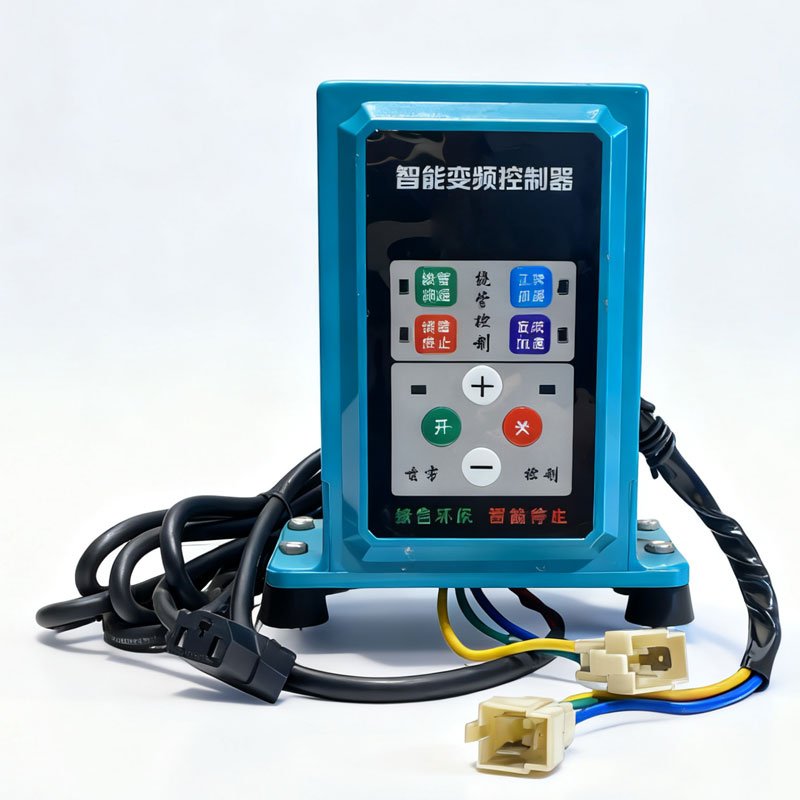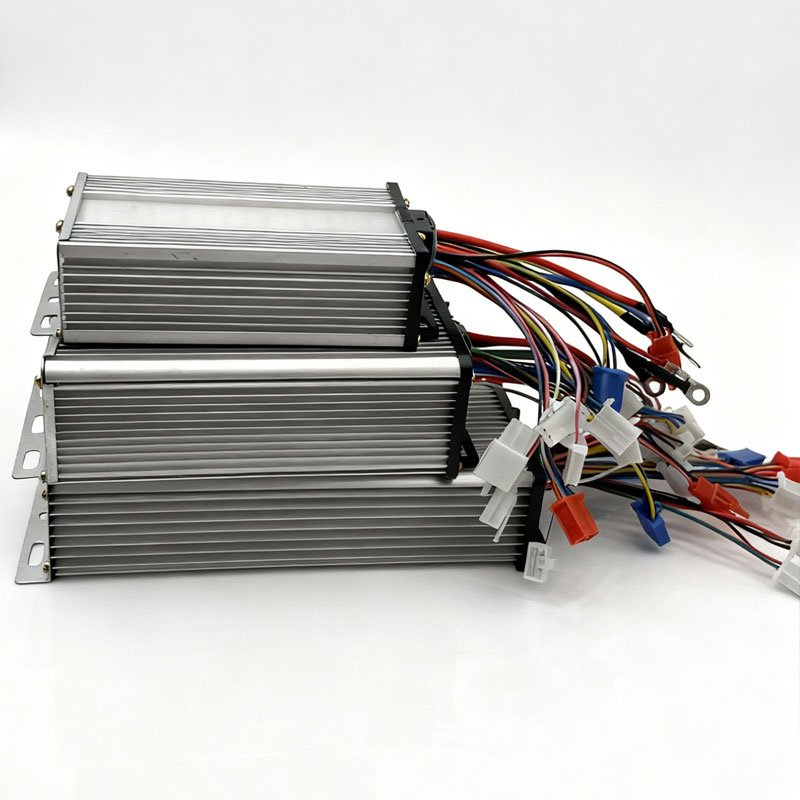









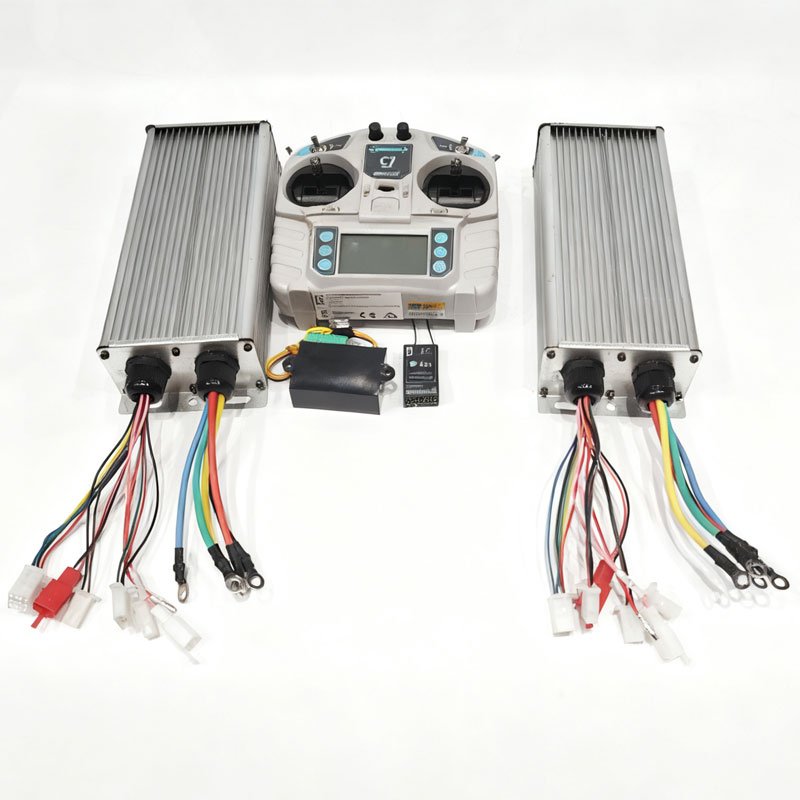
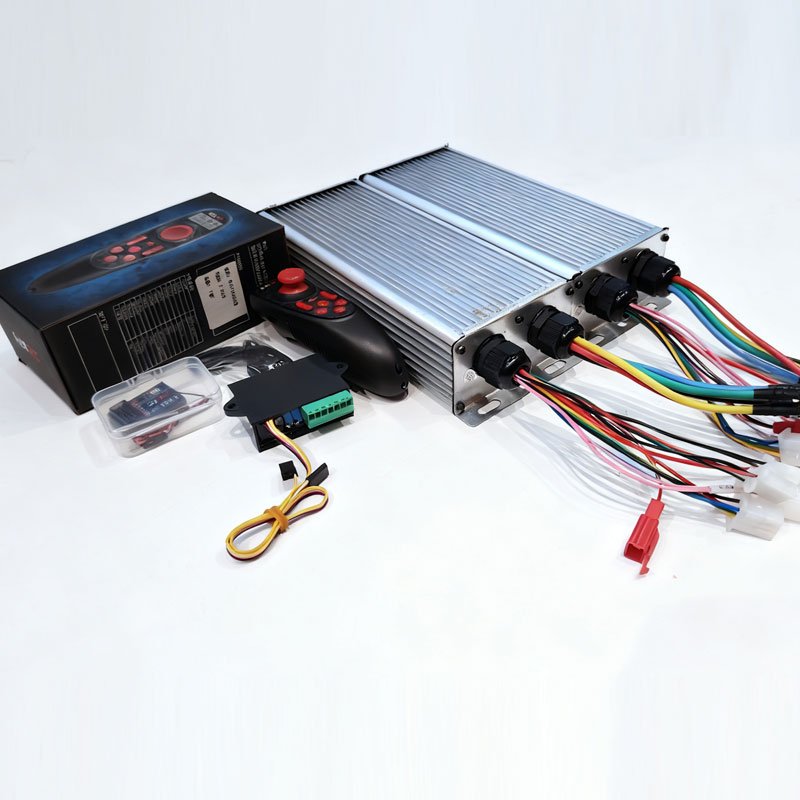


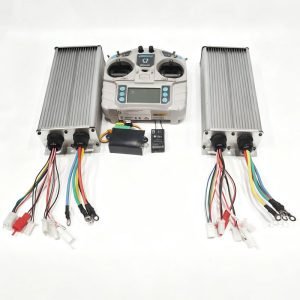

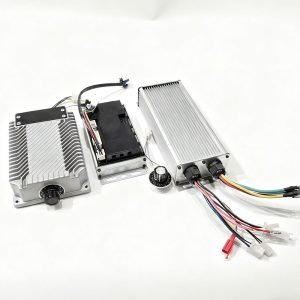
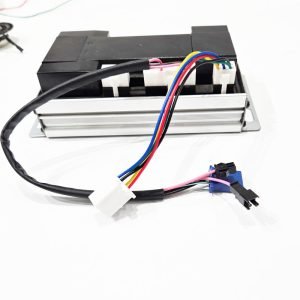
The unmanned controller system for tracked vehicles is a core control component designed specifically for tracked unmanned vehicles. It can achieve remote control, has high stability, strong adaptability, and intelligent control capabilities, and is suitable for complex terrain and diverse application scenarios.
Technical Features
Remote control: Supports long-distance wireless communication, and operators can control the unmanned vehicle in real-time through a remote control or ground station to achieve precise operation.
Autonomous control: Based on preset tasks and instructions, unmanned vehicles can autonomously complete tasks such as driving, obstacle avoidance, and operations without human intervention.
Intelligent algorithm: Adopting PID control algorithm and adaptive fuzzy control, optimizing path planning and speed allocation, improving vehicle driving stability and response speed.
Signal processing: Equipped with a built-in Kalman filter to denoise sensor signals, ensuring stable reception and output, and improving driving experience.
Safety protection: equipped with emergency braking, obstacle avoidance warning, overload protection and other functions to ensure safe operation.
Application field
Military field: tasks such as reconnaissance, transportation, and mine clearance to reduce the risk of casualties.
Rescue field: Quickly reach the disaster stricken area, carry out operations such as material transportation and personnel search and rescue, and improve rescue efficiency.
In the industrial field, automation is achieved in scenarios such as mining, forestry logging, and geological exploration.
Other: Suitable for any tracked unmanned vehicle that needs to operate in complex terrain and harsh environments.
Product advantages
High adaptability: The track design reduces ground pressure and allows for smooth driving on soft or slippery surfaces such as sand, snow, and mud.
Strong traction: Provides high traction and stability, ensuring good handling in scenarios such as slopes and rugged mountain roads.
Modular design: Each component is independently developed, produced, and upgraded to improve scalability and maintainability, reduce production and maintenance costs.
Load capacity: With strong load and transportation capabilities, it can efficiently carry various equipment or materials for operation.
Technical Specifications
Control system: autonomous driving controller, filtering module, signal mapping module, PID module based on vehicle motion model.
Sensors: Lidar, cameras, ultrasound, etc., used for environmental perception and navigation positioning.
Communication: Supports multiple wireless communication protocols to ensure real-time instruction transmission and reception.
Protection level: IP54/IP55, suitable for harsh environments. ”
| Product specification parameters | |||
| rated voltage | 24V/36V/48V/60V/72V | rated power | 350W~4000W |
| power transistor | 12G-36G | Switching voltage | 1.1V±4..2V |
| Brake level | high / low levels | ||
| Product performance | High torque/efficiency/long range/low heat generation | ||
| Product features | Remote control/walking/reversing/turning in place/self cruising | ||
Product Operating Environment
| Storage Temperature Range | -40℃~85℃ |
| Working temperature range | motor:-40℃~55℃ |
| humidity | 0~95% |